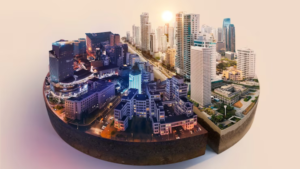
- Remarkable journeys await exploration with https://shinywilds1.net and captivating world-building narratives
- The Foundations of Immersive World-Building
- Developing Compelling Narratives
- The Role of Community and Collaboration
- Navigating the Challenges of Digital Creation
- Overcoming Creative Blocks
- The Future of Interactive Storytelling
- Expanding Horizons: Beyond Traditional Media
Remarkable journeys await exploration with https://shinywilds1.net and captivating world-building narratives
The digital landscape is ever-evolving, and finding platforms that offer immersive experiences and opportunities for creative expression is paramount. Many individuals are seeking avenues to not only consume content but to actively participate in building worlds and narratives. This is where the power of innovative online platforms truly shines. One such platform, https://shinywilds1.net, is rapidly gaining recognition for its unique approach to world-building and collaborative storytelling. It’s a space where imagination knows no bounds, and users are empowered to craft and share their own intricate universes.
The allure of these platforms lies in their ability to foster a sense of community and shared creation. Unlike traditional media, where content is often passively received, these platforms invite users to become active contributors. This shift towards participatory culture is transforming the way we engage with stories and entertainment. The best platforms provide intuitive tools and a supportive environment that encourages experimentation and collaboration. They democratize the creative process, allowing anyone with a vision to bring their ideas to life. The accessibility and collaborative nature of these worlds are attracting a diverse range of individuals, from seasoned writers and artists to newcomers eager to explore their creative potential.
The Foundations of Immersive World-Building
Creating a truly compelling world requires more than just a fantastical setting; it demands a cohesive system of rules, a rich history, and believable characters. Successful world-building platforms acknowledge this complexity and provide users with the tools to meticulously construct every aspect of their universe. This begins with establishing the fundamental laws of physics and magic within the world. Are there limitations to what is possible? What are the consequences of breaking these rules? Answering these questions lays the groundwork for a consistent and engaging experience. Furthermore, the social and political structures of the world are equally important. How do different factions interact with each other? What are the dominant ideologies? These elements add depth and realism, making the world feel alive and responsive. A well-defined world isn't just a backdrop for stories; it is a character in itself, influencing the actions and motivations of those who inhabit it.
Developing Compelling Narratives
Once the foundational elements of the world are established, the focus shifts to crafting captivating narratives. This involves developing characters with relatable motivations, creating intricate plotlines, and exploring thought-provoking themes. A strong narrative often hinges on conflict – whether it’s a struggle against external forces, an internal battle within a character, or a clash of ideologies. The most memorable stories are those that resonate with audiences on an emotional level, prompting them to reflect on their own beliefs and experiences. It’s also vital to consider the narrative’s scope. Will it be a grand epic spanning generations, or a more intimate tale focusing on a handful of individuals? The scale of the narrative should align with the overall vision for the world. Effective storytelling also utilizes foreshadowing and symbolism, subtly hinting at future events or deeper meanings. These techniques add layers of complexity and encourage repeat engagement from the audience.
| World-Building Element | Importance |
|---|---|
| Geography & Environment | Establishes the physical foundation and influences culture. |
| History & Lore | Provides context, depth, and potential for conflict. |
| Culture & Society | Defines the norms, values, and beliefs of the inhabitants. |
| Magic/Technology System | Sets the boundaries of what is possible and introduces unique challenges. |
The power of these platforms lies in their ability to help users visualize and refine their ideas. Tools for mapping, character creation, and timeline development can significantly streamline the world-building process. A cohesive and detailed world is what draws audiences in and keeps them invested. The ability to iterate and refine the world based on user feedback is also a crucial aspect of successful world-building.
The Role of Community and Collaboration
The true potential of world-building platforms is unlocked through community interaction. Collaborative storytelling allows multiple users to contribute to the same universe, expanding its scope and complexity in ways that a single creator could never achieve. This collaborative environment fosters creativity and innovation, as individuals build upon each other's ideas. However, effective collaboration requires clear guidelines and a shared understanding of the world's core principles. Establishing a central canon or set of rules helps maintain consistency and prevents conflicting narratives. Furthermore, a strong moderation system is essential for ensuring a positive and respectful community environment. This includes addressing conflicts, enforcing guidelines, and promoting constructive feedback. When managed effectively, a collaborative environment can be a catalyst for remarkable creativity.
- Shared Canon: A foundational document outlining the core rules and history of the world.
- Character Ownership: Clearly defining who has control over specific characters and their storylines.
- Conflict Resolution: Establishing a process for resolving disagreements between collaborators.
- Feedback Mechanisms: Encouraging constructive criticism and iterative development.
- Accessibility Tools: Providing user-friendly interfaces for contributing to the world.
- Regular Community Events: Hosting challenges, workshops, and storytelling sessions to foster engagement.
A thriving community isn’t just about technical tools; it’s about fostering a sense of belonging. Encouraging social interaction, celebrating creative contributions, and providing opportunities for mentorship are all essential ingredients for a vibrant ecosystem. Many platforms incorporate features like forums, chat rooms, and social media integration to facilitate communication and connection. This sense of community extends beyond the platform itself, often spilling over into real-world meetups and conventions.
Navigating the Challenges of Digital Creation
While these platforms offer immense creative freedom, they also present unique challenges. One common hurdle is the sheer complexity of managing a large-scale world-building project. Keeping track of countless details, characters, and storylines can be overwhelming. Effective organization is paramount. Utilizing tools for note-taking, outlining, and data management can help streamline the process. Another challenge is maintaining consistency across multiple contributors. Different individuals may have different interpretations of the world's rules or character motivations. Clear communication and a well-defined canon are essential for mitigating these inconsistencies. Furthermore, protecting intellectual property can be a concern. Platforms should offer robust copyright protection mechanisms to safeguard the contributions of their users. Addressing these challenges proactively is crucial for ensuring a positive and sustainable creative environment. Platforms that prioritize user experience and provide robust support resources are more likely to succeed in the long run.
Overcoming Creative Blocks
Even the most seasoned creators encounter creative blocks. These periods of stagnation can be frustrating and demotivating. One effective strategy for overcoming these blocks is to step away from the project and engage in other creative activities. Exploring different mediums, such as writing poetry, painting, or composing music, can help reignite inspiration. Another technique is to seek feedback from other creators. A fresh perspective can often reveal new possibilities and unlock previously unseen solutions. It's also important to remember that failure is an inherent part of the creative process. Don't be afraid to experiment, take risks, and learn from your mistakes. Embracing imperfection can often lead to unexpected breakthroughs. Finally, cultivating a supportive and encouraging environment is essential. Surrounding yourself with like-minded individuals who share your passion can provide the motivation and encouragement you need to persevere.
- Brainstorming: Generate a wide range of ideas without judgment.
- Freewriting: Write continuously for a set period without editing.
- Mind Mapping: Visually organize thoughts and connections.
- Prompt Challenges: Respond to specific creative prompts to spark new ideas.
- Collaboration: Seek input from other creators.
- Step Away: Take a break and engage in unrelated activities.
The ability to effectively manage these hurdles is a key differentiator for any successful world-building platform. Providing users with resources, support, and a sense of community can significantly enhance their creative journey.
The Future of Interactive Storytelling
The evolution of world-building platforms is inextricably linked to advancements in technology. Virtual reality (VR) and augmented reality (AR) are poised to revolutionize the way we experience these worlds, allowing for immersive and interactive narratives. Imagine stepping directly into a meticulously crafted universe and interacting with characters in real-time. The possibilities are truly limitless. Furthermore, artificial intelligence (AI) is playing an increasingly significant role in content creation. AI-powered tools can assist with tasks such as generating dialogue, creating character backstories, and even developing entire plotlines. However, it's important to emphasize that AI should be viewed as a collaborative tool, not a replacement for human creativity. The most compelling narratives are still those that are driven by human imagination and emotion. The intersection of these technologies – VR/AR and AI – promises to unlock a new era of interactive storytelling, where audiences are no longer passive observers but active participants in shaping the narrative. The development of robust and intuitive user interfaces will be crucial for making these technologies accessible to a wider audience.
Expanding Horizons: Beyond Traditional Media
The impact of platforms like https://shinywilds1.net extends far beyond the realm of entertainment. These platforms are increasingly being utilized for educational purposes, allowing students to explore historical periods, scientific concepts, and cultural landscapes in a dynamic and engaging way. The ability to create interactive simulations and role-playing scenarios fosters a deeper understanding of complex topics. Furthermore, world-building platforms are finding applications in fields such as urban planning and architectural design. Architects and planners can utilize these tools to visualize and test different design concepts in a virtual environment, gathering feedback from stakeholders before committing to costly construction projects. The collaborative nature of these platforms also facilitates interdisciplinary collaboration, bringing together experts from diverse fields to tackle complex challenges. This highlights the versatility and adaptability of world-building as a creative and problem-solving tool. The potential for innovation is truly boundless, and we are only beginning to scratch the surface of what is possible.
As these platforms continue to evolve, we can anticipate even more groundbreaking applications that blur the lines between reality and imagination. The future of storytelling isn't just about what we create; it’s about how we experience it and how we connect with others through shared worlds and narratives. The democratization of creativity that these platforms represent is a powerful force, empowering individuals to become architects of their own universes and share their visions with the world.